
The Revolutionary Science Behind Modern Implant Technology
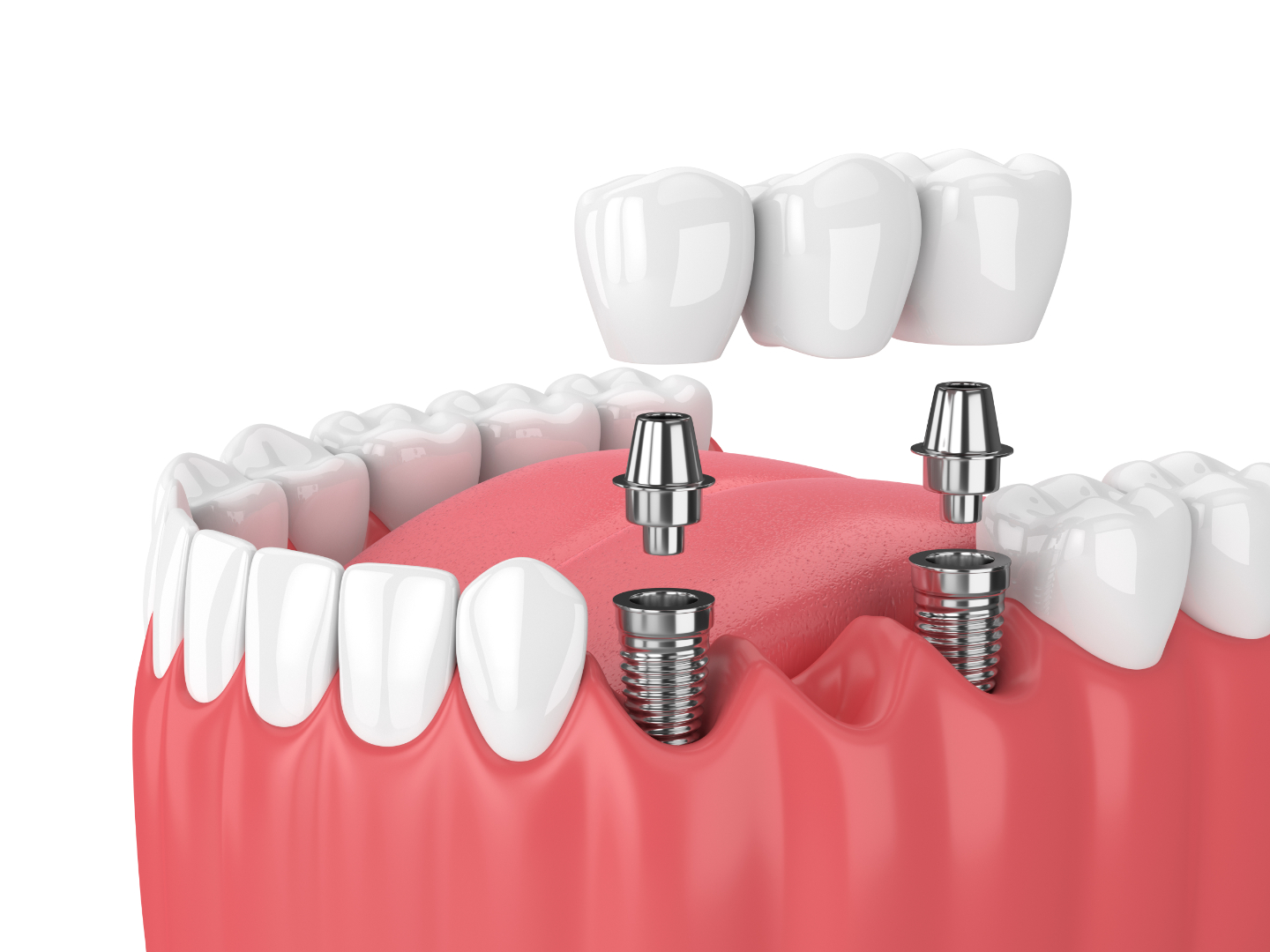
The dental implant landscape has undergone a remarkable transformation over the past decade, with biocompatibility emerging as the cornerstone of successful tooth replacement procedures. This fascinating field of study focuses on how materials interact with the human body, particularly the intricate relationship between implant surfaces and surrounding tissues. As practitioners continue to refine their techniques and materials, patients are experiencing unprecedented success rates and improved long-term outcomes with dental implants in Canary Wharf.
Biocompatibility represents far more than simply avoiding adverse reactions. Modern dental professionals understand that the ideal implant material must actively promote healing whilst seamlessly integrating with existing bone structure. This sophisticated understanding has led to revolutionary advances in surface treatments, material compositions, and surgical protocols that work harmoniously with the body’s natural healing processes.
Understanding the Science of Osseointegration
At the heart of biocompatible implant success lies osseointegration, the remarkable process whereby titanium implants fuse directly with jawbone tissue. This biological phenomenon occurs when osteoblasts, the bone-forming cells, recognise the implant surface as compatible and begin depositing new bone material around it. The quality of this integration determines both the stability and longevity of the implant restoration.
Recent advances in biocompatible dental implant technology have focused on enhancing surface characteristics to accelerate and improve this natural process. Micro-roughened surfaces, hydrophilic treatments, and specialised coatings all contribute to creating an optimal environment for cellular attachment and proliferation. These innovations have significantly reduced healing times whilst improving the predictability of successful outcomes.
Material Innovations Driving Success Rates
Titanium Alloy Developments
Traditional commercially pure titanium remains the gold standard for implant construction, yet recent developments in titanium alloys have enhanced biocompatibility even further. Grade 4 titanium and titanium-zirconium alloys offer superior mechanical properties whilst maintaining excellent tissue compatibility. These materials demonstrate remarkable resistance to corrosion and wear, ensuring long-term stability within the oral environment.
Ceramic Alternatives
Zirconia implants represent an exciting alternative for patients seeking metal-free solutions. These ceramic implants offer exceptional biocompatibility and aesthetic advantages, particularly in the anterior region where gingival translucency is crucial. The white colour of zirconia eliminates the risk of grey shadowing through thin gingival tissues, whilst maintaining the biological advantages that patients expect from modern implant therapy.
Surface Treatment Innovations
The evolution of implant surface treatments has revolutionised biocompatibility outcomes through sophisticated engineering approaches. Sandblasted, large-grit, acid-etched (SLA) surfaces create optimal topography for cellular attachment, whilst newer hydrophilic modifications enhance protein adsorption and accelerate healing timelines. These surface modifications work at the molecular level to create an environment that actively encourages bone formation around the implant fixture.
Plasma treatment and ultraviolet photofunctionalisation represent cutting-edge approaches to surface enhancement. These techniques remove hydrocarbon contamination and create superhydrophilic surfaces that demonstrate superior blood clotting and cellular adhesion properties. The importance of biocompatible materials in dental implants becomes particularly evident when examining these microscopic interactions that determine clinical success.
Clinical Applications and Patient Benefits
Modern biocompatible implant systems have transformed treatment possibilities across diverse patient populations. Individuals with compromised healing capacity, including diabetic patients and those with autoimmune conditions, now experience improved outcomes through enhanced biocompatibility protocols. These advances have expanded treatment accessibility whilst maintaining high success standards that practitioners and patients expect.
Geographic accessibility to advanced implant treatment continues to improve, with specialist centres offering comprehensive biocompatible solutions. Patients seeking dental implants benefit from access to state-of-the-art facilities that utilise the latest biocompatible technologies and treatment protocols. This accessibility ensures that cutting-edge implant science reaches patients across urban centres throughout the United Kingdom.
Research institutions continue developing next-generation biocompatible materials through collaborative efforts between clinicians and materials scientists. Advanced dental research methodologies are exploring bioactive coatings, growth factor incorporation, and smart materials that respond dynamically to the healing environment. These innovations promise even greater success rates and expanded treatment possibilities for future patients.
The Future of Biocompatible Implant Dentistry
The trajectory of biocompatible implant development points towards increasingly sophisticated materials and treatment approaches. Personalised implant surfaces, tailored to individual patient biology, represent the next frontier in this evolving field. As understanding of cellular interactions deepens, practitioners can anticipate even more predictable outcomes and expanded treatment possibilities. The commitment to biocompatibility continues driving innovation, ensuring that patients receive the most advanced and successful implant treatments available in modern dentistry.